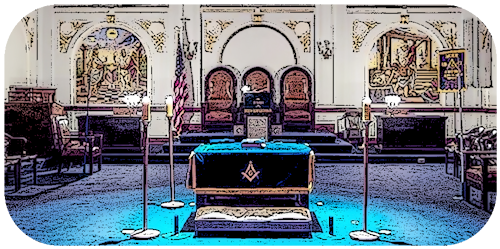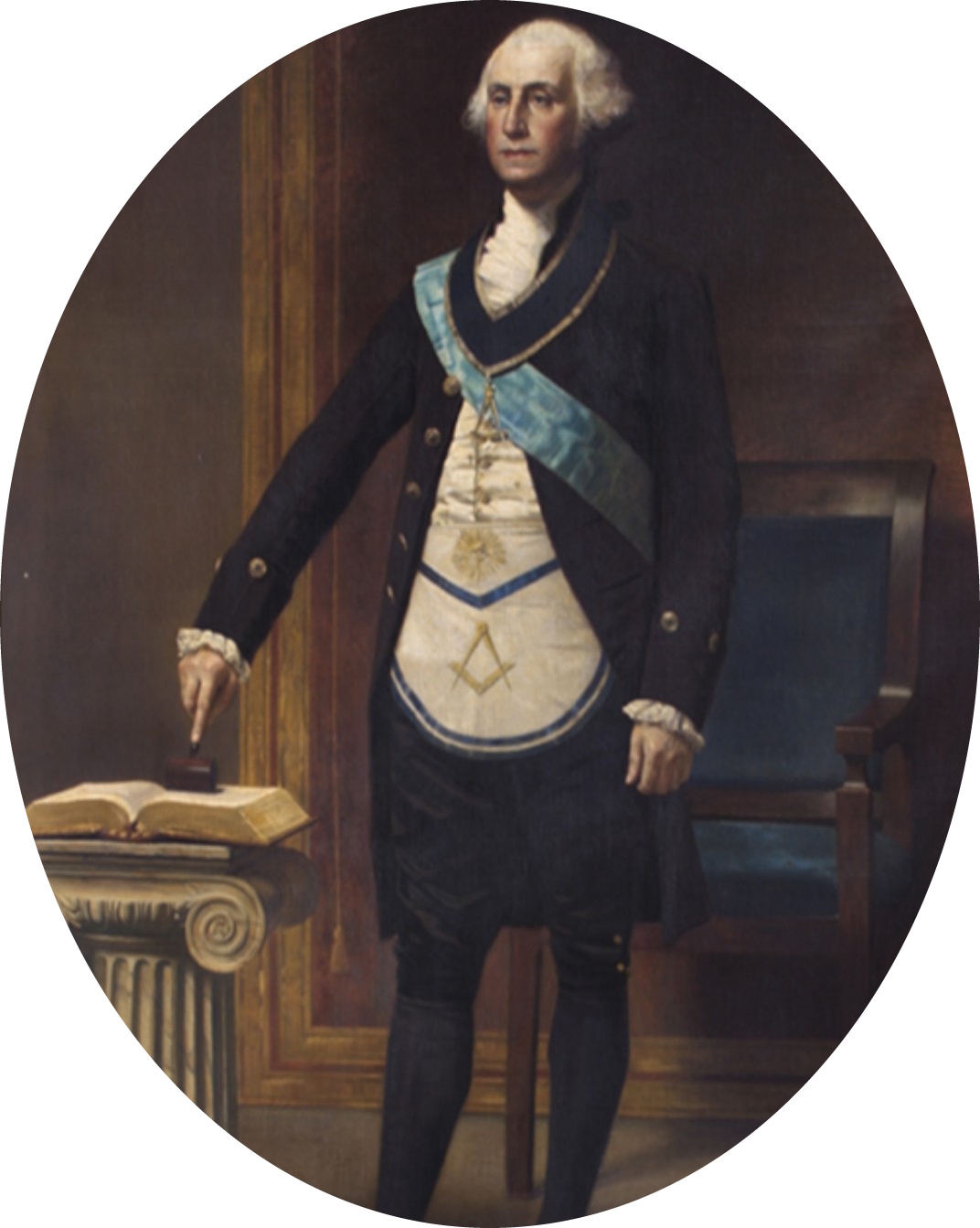
Freemasonry is a centuries-old fraternal organization with a multifaceted purpose that blends moral development, community service, and personal growth. Here's a breakdown of its core aims:
Moral and Ethical Development: Freemasonry seeks to instill high moral standards and ethical behavior in its members through symbolic rituals and allegorical teachings.
Personal Growth: It encourages introspection, self-improvement, and the pursuit of truth, often described as a "ceremonial method of approach to Truth."
Brotherhood and Fellowship: Freemasonry fosters a strong sense of community and brotherhood among its members, promoting mutual support and respect.
Philanthropy and Service: Many Masonic lodges are involved in charitable activities, supporting education, healthcare, and disaster relief efforts.
Spiritual Reflection: While not a religion, Freemasonry requires belief in a Supreme Being and uses spiritual symbolism to explore deeper philosophical questions.
Freemasonry is organized into lodges, each governed by a set of rituals and degrees that guide members through stages of learning and responsibility.
It operates under various traditions, such as Anglo-American and Continental Freemasonry, which differ in their rules and openness to public discourse.
To lean more, see the website for the Grand Lodge of Massachusetts.